Upper West Side Apartments for Sale: Condos, Co-ops & Brownstones

By Anthony Guerriero, Licensed Real Estate Broker | Manhattan Miami Real Estate | Updated April 2026

The Upper West Side is Manhattan’s most established residential corridor, anchored by Central Park to the east and Riverside Park to the west. Inventory is dominated by pre-war cooperatives — classic six- and seven-room layouts along Central Park West, West End Avenue, and Riverside Drive — with condominium supply limited and concentrated in select corridors. The neighborhood draws long-term residential demand from families, academics, and downsizers, with pricing shaped by Central Park proximity, school access, and architectural pedigree rather than speculative new-development cycles.

Upper West Side at a Glance

Boundaries
59th to 110th St, Central Park West to Hudson River
ZIP Codes
10023, 10024, 10025
Inventory Mix
Pre-war co-ops, classic sixes, boutique condominiums, and limited new developments along Broadway, Riverside Drive, and Central Park West
Median Sale Price
~$1.4M
Central Park West / Riverside PSF
$1,800–$3,200+
Broadway / Interior PSF
$1,200–$2,200
Luxury Threshold
~$4M+ (generally the top 10% of the Manhattan market)
Ultra-Luxury
Typically >$10M AND >$4,000/ft²; rare on the Upper West Side and concentrated in the highest-quality new-development or prime park-facing residences
Trophy Tier
$10M–$30M+ large-scale residences, select penthouses, and exceptional Central Park West or Riverside Drive homes; often scale- and location-driven rather than purely PSF-driven
Subway
1/2/3 · B/C — full north–south coverage along Broadway and Central Park West
Geography

Upper West Side Map

The Upper West Side runs along Manhattan’s west side between Central Park and Riverside Park, generally from Columbus Circle to Morningside Heights, with Central Park West, Broadway, West End Avenue, and Riverside Drive forming its core residential corridors.

Upper West Side Corridor: Central Park West to Riverside Drive

Current Upper West Side Inventory

The Upper West Side offers one of Manhattan’s deepest and most diverse housing inventories — from classic pre-war co-ops along Central Park West and Riverside Drive to a limited but growing set of condominium developments.

While overall supply is broader than in newer Manhattan submarkets, well-positioned apartments — particularly renovated co-ops and newer condominiums — continue to transact quickly when priced correctly.

Use the listings below to explore all currently available Upper West Side apartments, updated in real time.

Design & Pricing Benchmarks

The Dakota
Pre-war Cooperative
Landmark Central Park West icon — the founding reference point for the UWS co-op market.
The San Remo
Pre-war Cooperative
Twin-tower silhouette over Central Park; the classic park-front benchmark.
The Beresford
Pre-war Cooperative
Grand-scale residences with three exposures; the large-format CPW benchmark.
15 Central Park West
Ultra-Prime Condominium
Robert A.M. Stern limestone tower; the defining post-2008 condominium benchmark.
200 Amsterdam
New Development Condominium
Reference for the limited new high-rise condominium supply west of Central Park.

Why the Upper West Side

The housing stock is defined by scale and proportion — classic six- and seven-room co-ops along Central Park West and West End Avenue, postwar condominiums with full-service amenities, and a limited number of limestone townhouses between 70th and 90th Streets. Co-ops still dominate, particularly along Central Park West and Riverside Drive, while new development remains concentrated along Broadway and the western blocks.

Pricing runs from roughly $600K to $40M+, with the $4M–$12M band — large pre-war family apartments with park or river views — forming the core of the market. The trophy tier on Central Park West (the Beresford, the San Remo, the Dakota) and new-development penthouses transacts on relationships as much as on listings.

Compared to newer development corridors, the Upper West Side moves more gradually — a buyer base focused on long-term ownership rather than short-term positioning, and pricing that has been historically resilient through market cycles.

Upper West Side Condo & Co-op Market

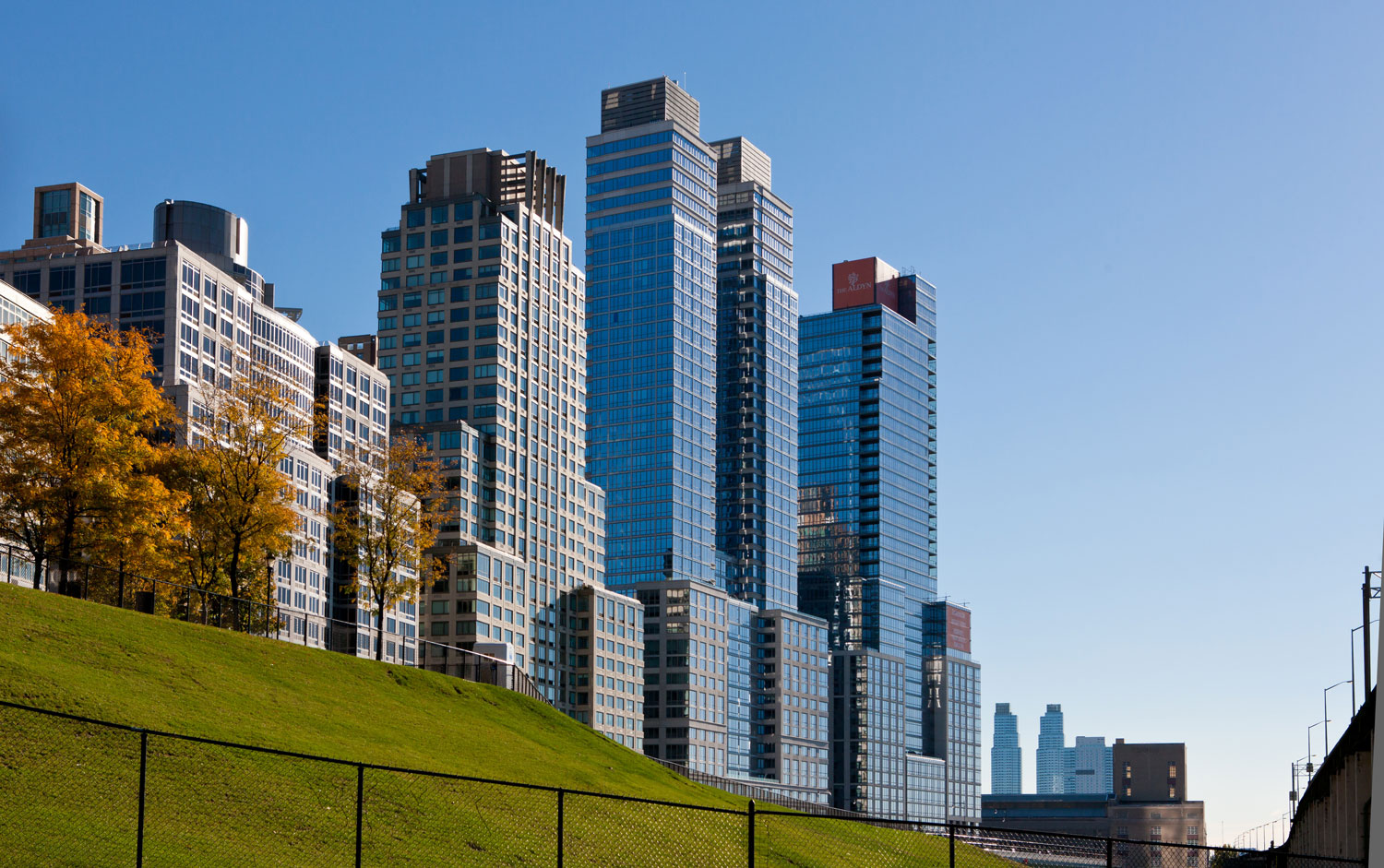
Co-ops dominate the inventory. Central Park West holds the trophy tier — the Dakota, the San Remo, the Beresford, the Majestic — alongside most full-service pre-war stock on Riverside Drive and West End Avenue. Condominium inventory is more limited, typically concentrated in select corridors: 15 Central Park West, the Aldyn and Riverside Boulevard towers, and a small bench of newer Broadway-adjacent developments.

New development is scarce relative to downtown and Hudson Yards. The few recent additions — 200 Amsterdam, 50 West 66th, One West End — sit in defined micro-markets rather than a continuous luxury corridor, and they price for that scarcity. The corridor differences are real: Central Park West commands the per-foot premium, West End Avenue and Riverside Drive trade slightly below for residential quietude and river exposure, and Broadway carries the bulk of mixed condo and rental supply.

The result is a market that prices on stability rather than story. Per-foot pricing has moved more gradually than in the speculative new-development corridors downtown and on the West Side rail yards, and resale values have held a relatively narrow band through recent cycles.

Who Buys on the Upper West Side

The buyer base is dominated by long-term Manhattan residents — families prioritizing parks, public and private school access, space, and stability, often trading up within the neighborhood as households grow. Downsizers form a meaningful second pool, frequently moving from Central Park West classic sevens into smaller full-service condominiums or postwar co-ops without leaving the corridor.

International buyers are present but selective, generally favoring condominiums over co-ops for ownership flexibility around financing, occupancy, and entity structure — many also weigh NYC vs Miami acquisition costs when comparing markets. Compared to the Upper East Side, the buyer pool here is less institutional and less fashion-driven; international and investor activity is modest relative to downtown or Midtown, resale timelines skew longer, but pricing has been historically resilient through market cycles.

Current Upper West Side listings include pre-war co-ops, classic condominium residences, boutique new developments, and larger homes near Central Park, Riverside Park, and Broadway.

Available Apartments on the Upper West Side

Upper West Side Snapshot

Upper West Side at a Glance

$1.65M
Median Sale Price
$1,485
Avg Price / Sq Ft
780+
Active Listings
9/10
School Rating (PS 87/PS 199)
Pre-War
Dominant Stock

What to Know About Upper West Side

01
Coop-heavy market. Approximately 70% of UWS inventory is cooperative; expect 25-30% post-closing liquidity requirements at top buildings.
02
Two park premiums. Central Park West and Riverside Drive command 20-35% PSF premiums over interior blocks, with CPW frontage the higher of the two.
03
Pre-war character. Classic 6/7/8 layouts (formal dining, separate kitchen, maid's room) define the resale market, especially between West 70th and West 86th.
04
School zoning matters. PS 87 (zoned around West 78th) and PS 199 (West 70th) are top-rated public elementaries; zoning verification is essential before contract.
05
Transit fluency. The 1/2/3 along Broadway and the B/C along Central Park West give most addresses sub-10-minute access to Midtown West and Columbus Circle.
06
New-development pockets. Limited new construction concentrates around Riverside Boulevard (Trump Place) and the West 60s/70s, where condo PSF runs 30-40% above coop comps.

Frequently Asked

Upper West Side: Quick Answers

How much does an apartment cost on the Upper West Side?

The Upper West Side median sale price sits near $1.65 million, with an average of roughly $1,485 per square foot. Pre-war cooperative one-bedrooms typically transact between $750,000 and $1.1 million, while three-bedroom Classic 7 layouts on Central Park West or West End Avenue commonly clear $3 million to $7 million depending on light, condition, and floor.

Is the Upper West Side mostly coops or condos?

The Upper West Side is approximately 70% cooperative housing by unit count, concentrated in pre-war buildings constructed between 1900 and 1940. Condominiums are clustered in newer developments along Riverside Boulevard, the West 60s near Lincoln Center, and a small number of conversions, generally pricing 25-40% higher per square foot than comparable coops.

Which Upper West Side schools are best?

PS 87 (William T. Sherman, zoned around West 77th-79th Streets) and PS 199 (Jessie Isidor Straus, zoned West 70th area) are the highest-rated public elementaries on the Upper West Side, both rated 9/10. School zone verification before signing a contract is critical because zone lines can shift block-by-block.

What is the difference between Central Park West and Riverside Drive?

Central Park West is the trophy address — pre-war coops with park-frontage primary rooms, with PSF premiums of 30-35% above interior blocks. Riverside Drive offers Hudson River views and pre-war scale at a 15-20% lower PSF, with a quieter residential character and fewer doormen-staffed full-service buildings.

What Defines Upper West Side Apartments

Upper West Side apartments are defined by:

  • Grand pre-war co-ops with classic layouts, high ceilings, and architectural detail
  • Central Park West landmark buildings with some of Manhattan's most iconic addresses
  • Riverside Drive residences with Hudson River views and a quieter residential character
  • A neighborhood identity rooted in culture, education, and long-term residential stability

The Upper West Side is one of the few Manhattan neighborhoods where co-op living, cultural institutions, and family infrastructure coexist at scale.

Where to Buy on the Upper West Side

Central Park West

Manhattan's most prestigious residential avenue on the West Side. Landmark co-op buildings including The San Remo, The Eldorado, The Beresford, and The Majestic. Highest pricing and strongest long-term demand.

Broadway Corridor

More accessible pricing with a mix of co-ops, condominiums, and newer developments. Convenient access to retail, dining, and transportation. Growing appeal among younger families.

Riverside Drive

Quieter, more residential character with Hudson River views. Pre-war co-ops and brownstones with architectural significance. Strong value relative to Central Park West.

Columbus Avenue & Amsterdam Avenue

The neighborhood's commercial spine with a mix of building types. New developments like 50 West 66th Street and 200 Amsterdam are reshaping the luxury inventory.

Micro-location on the Upper West Side significantly impacts pricing, building type, and lifestyle. East-west position relative to Central Park and the Hudson River is the primary value driver.

Upper West Side for Families

  • One of Manhattan's most established family neighborhoods with multi-generational appeal
  • Proximity to top-tier public and private schools
  • Direct access to Central Park, Riverside Park, and the American Museum of Natural History
  • A residential infrastructure built around family life: pediatricians, bookstores, playgrounds, and community

Many families specifically target the Upper West Side for its combination of school access, park proximity, and a neighborhood culture that prioritizes residential living over commercial activity.

NYC Private Schools Guide

Condos vs Co-ops on the Upper West Side

  • Co-ops: dominant building type, especially in landmark buildings. Stricter board approval but often better value and stronger building financials.
  • Condos: growing supply through new developments. More flexible ownership structure, appealing to international buyers and those seeking modern amenities.
  • Brownstones: limited but highly sought-after. Offer private outdoor space and architectural character unavailable in apartment buildings.

The choice between co-op, condo, and brownstone is one of the most important decisions for Upper West Side buyers, with each offering a fundamentally different ownership experience.

The buildings below represent some of the most sought-after properties in the neighborhood, often setting pricing benchmarks for the market.

Featured Upper West Side Buildings
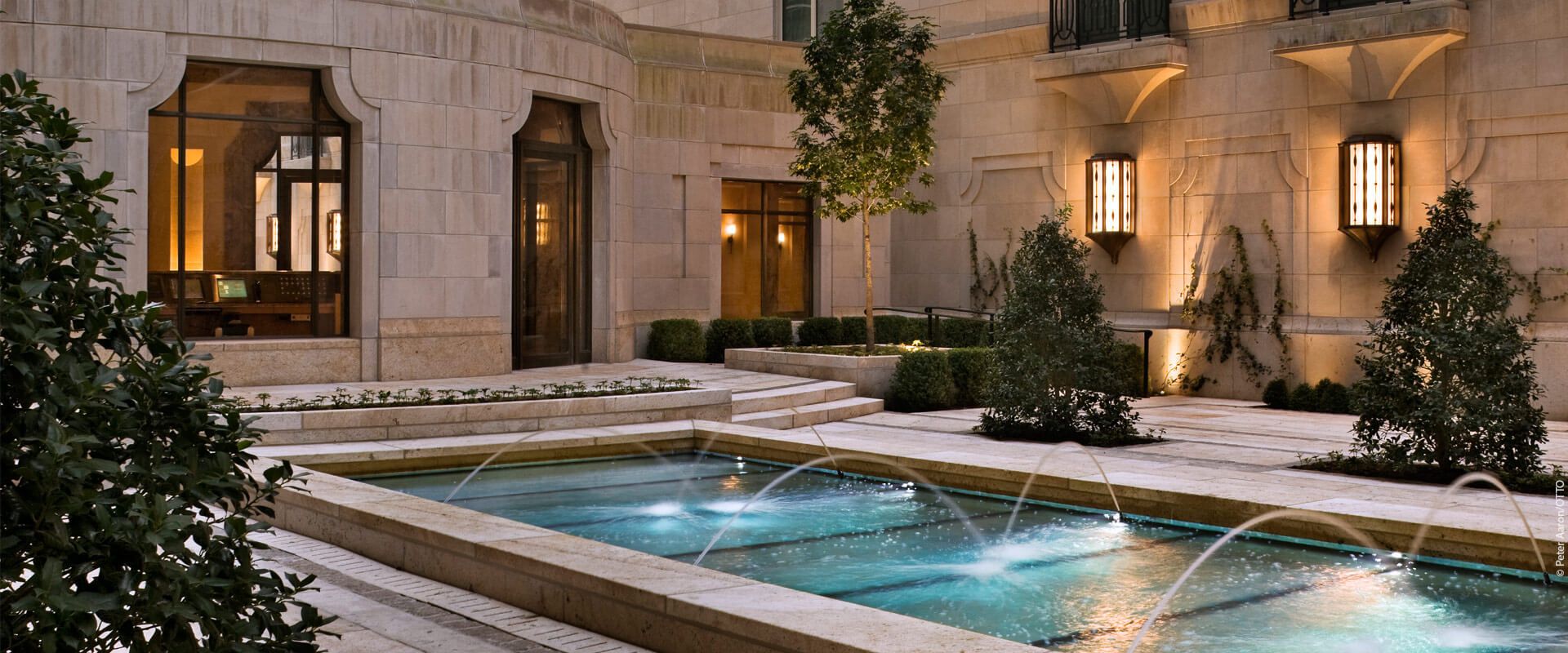
Availability at this level is limited and may include off-market opportunities.

Buyers evaluating this neighborhood typically compare a small number of buildings rather than the entire market.

Buying Strategy on the Upper West Side

Purchasing on the Upper West Side often involves:

  • Navigating co-op board requirements, which vary significantly by building
  • Evaluating the trade-off between pre-war character and modern amenities
  • Choosing between Central Park proximity and better value on western blocks

For many buyers, the Upper West Side decision centers on whether to prioritize a landmark address with architectural prestige or a newer building with modern systems and amenities.

Buyers also evaluating the East Side may want to compare: Upper East Side Apartments for Sale

Notable High-End Upper West Side Apartments

Central Park West Classic — $19,500,000

4 bedrooms · pre-war co-op · 4,500+ sq ft
Grand residence in a landmark CPW building with direct park views, formal entertaining rooms, original architectural details, and white-glove service.

New Development Penthouse — $32,000,000

5 bedrooms · full-floor · 6,800+ sq ft
Top-floor residence in a recently completed luxury tower with 360-degree views of Central Park, the Hudson River, and the Manhattan skyline. Private terrace and museum-quality finishes.

Riverside Drive Brownstone — $8,250,000

5 bedrooms · 4 stories · private garden
Fully renovated townhouse with original millwork, private rear garden, Hudson River views from upper floors, and the rare combination of space and privacy on one of Manhattan's most scenic streets.

Availability at this level is limited and may include off-market opportunities.

International Buyers

This neighborhood attracts international buyers seeking primary residences or secondary homes in New York, particularly from Europe, Latin America, and Asia. Many buyers evaluate Manhattan real estate as a dollar-denominated store of value alongside lifestyle considerations.

International buyers can explore our Foreign Buyer's Guide to U.S. Real Estate for tax, legal, and ownership considerations.

NYC vs Miami Considerations

Some Upper West Side buyers also evaluate Miami properties when considering:

  • Tax exposure and state income tax savings
  • Warm-weather lifestyle and second-home strategy
  • New construction options at lower price points

Compare NYC vs Miami Closing Costs  |  NYC to Miami Tax Migration Guide

Some of the most sought-after opportunities in these buildings are not publicly listed. Advisory clients receive access to off-market inventory and pre-market opportunities.

Work With a NYC & Miami Advisor

We advise buyers across New York City and Miami on property selection, building strategy, and cross-market planning.

REQUEST A PRIVATE ADVISORY CONSULTATION

Upper West Side Apartment FAQs

Are most Upper West Side apartments co-ops?

Yes. Co-ops represent the majority of residential inventory, particularly the most prestigious buildings on Central Park West and Riverside Drive. Condominiums are more common in newer developments along Broadway and Columbus Avenue.

What is the price per square foot on the Upper West Side?

Typically $1,200 to $3,500+ per square foot. Central Park West landmark buildings and new luxury developments command the highest pricing, while co-ops on interior blocks offer more accessible entry points.

Is the Upper West Side good for families?

Yes. The Upper West Side is consistently ranked among the best family neighborhoods in Manhattan, with access to top public and private schools, Central Park, Riverside Park, and a residential culture specifically oriented toward family life.

How does the Upper West Side compare to the Upper East Side?

Both are premier family neighborhoods with strong school access and park proximity. The UWS tends to be more culturally oriented and slightly less formal, with a stronger brownstone presence. The UES has more traditional luxury co-ops and a more structured social environment. Pricing is broadly comparable, with premiums varying by specific address.

Upper West Side Product Mix

Pre-war cooperatives
Dominant inventory base
Condominiums
Limited relative supply
New development condominiums
Select corridor-driven supply
Townhouses
Scarce, relationship-driven inventory

Indicative product mix for editorial context; actual availability varies by building, ownership structure, and market conditions.

Begin with a conversation, not a listing.

Private advisory for buyers focused on the Upper West Side — from pre-war Central Park West cooperatives to limited new-development condominiums.

Broader Manhattan
All Manhattan Apartments for Sale →
Counterpart Across The Park
Upper East Side Apartments for Sale →